
Yerevan, October 2026: What the World Promised Nature, and What It Delivered
Araz Tavitian28 min read
In this article (26)
- What COP17 is
- How Armenia became the host
- The opening, in my film
- Armenia: the host
- Organisation and cost
- The events that mattered
- Armenia: its demand and its result
- The criticisms
- Lebanon: its demand and its result
- Cyprus: its demand and its result
- The countries: who came, and their demands and results
- The list of participants
- How to read the country accounts
- Armenia, Lebanon and Cyprus
- Europe
- The Arab countries
- The Americas
- Africa
- Asia and the Pacific
- The result, my impressions and my expectations
- What was achieved
- A comparison with the earlier conferences
- My impressions
- What to expect next
- Moments from COP17
- Let us remember
I attended COP17 as an independent blogger, not as a negotiator. I came to Yerevan as an Armenian born in Lebanon and living in Cyprus, and I followed the conference with a camera, in the corridors, in the Green Zone open to the public and in the halls that were open to accredited media. This is the second, fuller article of my coverage. The day-by-day report tells what I saw each day, with a film for each. This article steps back and sets out what the conference was, who took part, what the countries asked for and what they obtained, how Armenia organised the event, and what my impressions were. Where the sources disagree on a figure, the text says so.
What COP17 is
The Convention on Biological Diversity is the United Nations treaty on nature. Its text was adopted in Nairobi on 22 May 1992 and opened for signature at the Rio Earth Summit on 5 June 1992. It entered into force on 29 December 1993, and it now has 196 Parties, the members that have formally joined it (IISD Earth Negotiations Bulletin, Convention on Biological Diversity). Its supreme body is the Conference of the Parties, known as the COP, where the Parties take the decisions that put the treaty into practice.
The first COP met in Nassau, in the Bahamas, from 28 November to 9 December 1994, and the next two followed in Jakarta in 1995 and in Buenos Aires in 1996, so that in its first years the conference met every year. Since then it has settled into a rhythm of one meeting every two years, interrupted only when the pandemic pushed COP15 from 2020 to December 2022. That meeting, in Montreal, adopted the Kunming-Montreal Global Biodiversity Framework: 23 targets for 2030 and four goals for 2050, intended to halt and reverse the loss of nature, among them the pledge to protect 30 per cent of the world’s land and sea. COP16 in Cali, Colombia, in 2024, ran so far over time that the presidency lost its quorum, and the talks had to resume in Rome in February 2025.

COP17, held from 19 to 30 October 2026, is therefore the halfway point of the Framework, and its central task was the first global review of how far the world has come. It was held together with the twelfth meeting of the Parties to the Cartagena Protocol on Biosafety and the sixth meeting of the Parties to the Nagoya Protocol on access to genetic resources and the sharing of their benefits. The talks ran one night beyond schedule and closed in the early hours of 31 October (CBD).
How Armenia became the host
The presidency of the conference rotates among the UN’s regional groups, and since a decision of 2016 COP17 fell to the Eastern European group. Two countries offered to host, Armenia and Azerbaijan, and the group could not agree. The Parties therefore settled the matter by a secret ballot at COP16 in Cali on 31 October 2024, which Armenia won by 65 votes to 58. According to Armenia’s Ministry of Environment, it was the first time a host of a COP of this convention had been chosen by vote.
The rivalry had an older history. Earlier, Armenia had withdrawn its own candidacy to host the climate conference COP29, in support of Azerbaijan’s bid, and it then boycotted that conference in Baku because Armenian prisoners were still held there. On 19 October 2026 Armenia’s Minister of Environment, Hambardzum Matevosyan, was elected President of COP17, and Armenia holds the presidency until the next conference, COP18, which the Parties voted to hold in Quito, Ecuador, in 2028.

The opening, in my film
The conference began before it opened. My first film, of Day 1, explains the report card on nature that the United Nations presented on the eve of the conference.
The Leaders’ Summit on 16 October, at which heads of state and government and ministers spoke before the negotiations began, produced the Yerevan Declaration, and the negotiating conference itself opened on 19 October. My film of Day 2 follows the Summit.
Armenia: the host
Organisation and cost
The conference had two venues. The Blue Zone, closed and reserved for the delegations and their negotiations, was in the Meridian Expo in the Hrazdan Gorge, in a hall adapted for the event, and the Green Zone, open to the public with the pavilions of many organisations, was in the Karen Demirchyan Sports and Concert Complex. Armenia expected about 15,000 delegates and housed them in Yerevan and in nearby towns, among them Gyumri, Vanadzor, Dilijan, Tsaghkadzor and Jermuk. Yerevan restricted traffic and closed schools, and ran free buses to the venue, which attendees praised.

How much did it cost? There is no final figure. The figures published so far come from different budget lines and stages:
- 5.775 billion drams were allocated in 2025, by redistributing the state budget, for the works at the Meridian Expo, and the cost of the whole event was then put at around US$25 million;
- the government added 2.64 billion drams, about US$7.24 million, from its reserve fund;
- the Ministry of Environment later announced a spending plan of 18.5 billion drams, about US$51 million, from the 2026 reserve fund for organisational services, which the opposition called excessive and which the Ministry answered by saying that the United Nations, not the Armenian government, had chosen the venue and selected the contractors.
The Deputy Foreign Minister said that the total would be known only after the conference.
The events that mattered
Four moments shaped the conference. The first was the Leaders’ Summit on 16 October, attended by dozens of heads and deputy heads of state, ministers and UN representatives, among them the prime ministers of Armenia and Georgia and the presidents of Iran and Kazakhstan, and it produced the Yerevan Declaration, a political commitment to turn commitments into action. The second was the opening on 19 October, when Hambardzum Matevosyan was elected President. The third was the high-level segment of ministers on 27 and 28 October, around which the presidency launched its four initiatives. The fourth was the final plenary of nearly twelve hours, from 30 October into the morning of 31 October, in which the delegations adopted the last texts, among them the Yerevan Pathway, and voted for Quito as the seat of COP18. The DSI decision was adopted at 5:25 in the morning, and the almost empty hall burst into applause.
Armenia: its demand and its result
Armenia’s four flagship initiatives were a technology hub for monitoring nature, a platform on mountains and fresh water, a platform for conservation measures outside protected areas, and incentives that reward nature. The monitoring hub was launched with the FAO and IUCN, and the platform on conservation measures outside protected areas was launched at the Armenia pavilion on 28 October. The presidency’s call on positive incentives was launched on 26 October, and the new group “Friends of Target 18”, co-chaired by Colombia and Finland, counts Armenia among its members. No report on mountains and fresh water was formally adopted, but only presented. Delegates described Matevosyan as engaged and well organised; the Executive Secretary of the Convention, Astrid Schomaker, said that the conference had achieved “remarkable things at a moment when multilateralism is supposedly not functioning”.

The criticisms
An honest report must also record what was criticised. On 10 October, nine days before the conference opened, the Amulsar gold mine began operating, and Prime Minister Nikol Pashinyan described its opening without protests as a success. Environmental groups objected, and Armenian activists who came to the venue with signs about the mine were prevented from entering on the first day, and one of them again two days later. Armenian investigative reporting also said that construction waste from the venue had spilled into a gorge recently recognised as a protected area, and that the ministry replied that it does not exercise supervision over environmental norms. The spending was questioned in parliament, as set out above.

Lebanon: its demand and its result
I was born in Lebanon, and I listened for my country. Lebanon’s Minister of Environment, Dr Tamara El-Zein, spoke at the Leaders’ Summit on 16 October, representing President Joseph Aoun, and her speech was the clearest statement of what Lebanon came to ask. She began with the country’s richness: forests, mountains, wetlands, coastal and marine ecosystems and the migratory corridors that link it to the region. She then listed the pressures on it: climate change, soil degradation, the loss of biodiversity, a lasting economic crisis, recurring fires and, in her words, the environmental consequences of the Israeli war in Lebanon. She said that, according to the World Bank, the losses of the environmental sector from the war of 2023 and 2024 exceed US$512 million, and that hectares of forest, nature reserves and farmland were destroyed, in part by bombardment with white phosphorus and the spraying of glyphosate over wide areas.
Her request was specific. Lebanon asked its partners to support the reforms it has made, and the environmental recovery that follows the war, and she argued that restoring degraded land, soils and biodiversity must be a central component of reconstruction and cannot be put aside. She also reported that the Council of Ministers had adopted the Strategy and Action Plan for Biodiversity for 2025 to 2030 a week before.
You can watch my short film on the minister’s speech on the Aypoupen YouTube channel.

Did Lebanon get what it asked? No decision or pledge was directed at Lebanon, and Lebanon was not on the official list of participants of 30 October. The conference’s general answers to a country in its position were the post-2030 financial mechanism, whose form was left to COP18, and the nearly US$2 billion of new funding announced, none of which was assigned to Lebanon.
That is the record, and as a Lebanese citizen it leaves me with questions. President Joseph Aoun was invited to the conference and did not come. The Minister of Environment was sent to present Lebanon alone, without a team around her. Would the presentation not have been far stronger with more participants, scientists who could have put the damage in numbers before the experts of other delegations, and young people and activists who could have carried the country’s case through the corridors, the side events and the pavilions? Lebanon is a country affected by war, and the World Bank figure that the minister herself cited, more than US$512 million of losses for the environmental sector alone, is a case that deserves a full delegation and not a single voice. Would a larger team not have given Lebanon a better chance to turn sympathy into a pledge, and to ask in the negotiating rooms who is to answer for the destroyed forests, farmland and reserves, and whether those responsible for the damage should be made to pay for repairing it?

I also think of what Lebanon can do when it chooses to. We do not lack brains. Lebanese scientists, engineers and young people are known everywhere for their intelligence and their skill at solving problems. The Minister of Youth and Sports, Nora Bayrakdarian, shows what is possible: she supports young people and works with a large team of active young men and women to develop the sports sector. Why was no such team built around the environment, and why was it not sent to Yerevan?
The questions are sharper because of what Lebanese say about their own environment at home. Many complain that politicians do not take care of the environment or of the air: trees are cut, mountains are quarried, pollution is all around, and land that should be kept as nature reserves is reduced. Water is dirty and many people are deprived of a regular supply, while factories pour their liquid waste into the rivers, and with it into the plants and the food that people eat. Cities are left to decay instead of being supported. A country that asks the world to pay for its environmental recovery will be asked what it does for its own environment, and the answer has to be visible at home as well as at a conference abroad.
Cyprus: its demand and its result
I live in Cyprus, and the Cypriot statement is a good example of how a small island member of the European Union speaks at a conference of this kind. At the Leaders’ Summit, Cyprus’s Minister of Agriculture, Rural Development and Environment, Christos Senekis, said that for a Mediterranean island state biodiversity loss is not a distant challenge, since Cyprus already feels how it interacts with climate change, water scarcity, land degradation, wildfires and the pressure on coastal and marine ecosystems. His requests followed from that. He asked that biodiversity, climate and water be treated together through integrated solutions, not through separate policies; that biodiversity be built “much more methodically” into the decisions that shape economies, from agriculture, water and tourism to infrastructure, investment and planning; that resources be mobilised from all sources and public and private financial flows be aligned with biodiversity objectives; and that governments, communities, science, young people, businesses and the financial sector work together. He asked that the Yerevan Call for Action give the political direction that carries into COP17, and that the world move “from commitments to implementation”.
Watch my film of the Cypriot minister’s speech, with images of the island.
Part of this reached the final texts, though not as a national success. In the formal negotiations the member states of the European Union spoke through the EU delegation; at the press conference of 28 October the Union was represented by Ireland’s nature minister, Christopher O’Sullivan. Cyprus registered four delegates, led by its ambassador, according to the list of participants. The Yerevan Pathway lists among its priorities tackling subsidies that harm nature and aligning national budgets and economic decisions with the Framework, which is the substance of the Cypriot request on mainstreaming and on aligned financial flows (CBD). On finance, the resolution on contributors, where the EU pressed for a broader base, ended as an invitation to countries to signal interest, not as a rule. As for water, there is no linkage of biodiversity, climate and water in the decisions, and Cyprus did not obtain one.
The countries: who came, and their demands and results
The list of participants
The Secretariat of the Convention publishes the official list of participants, a document of several hundred pages. The version I used is dated 30 October 2026. In it I counted 182 delegations of Parties, including the European Union, and its entries run to number 9,311. Press reports give other figures for the attendance, between about 10,000 and 15,000 people. The United States, which is not a Party to the Convention, appears in the list among the non-Parties.

The delegations I counted are these. The names that are links are those for which I give a full account of what the country wanted and what it obtained; select one to go to it.
Albania · Algeria · Andorra · Angola · Antigua and Barbuda · Argentina · Armenia · Australia · Austria · Bahamas (The) · Bahrain · Bangladesh · Barbados · Belarus · Belgium · Belize · Benin · Bhutan · Bolivia (Plurinational State of) · Bosnia and Herzegovina · Botswana · Brazil · Bulgaria · Burkina Faso · Burundi · Cabo Verde · Cambodia · Cameroon · Canada · Central African Republic · Chad · Chile · China · Colombia · Comoros · Congo · Cook Islands · Costa Rica · Côte d’Ivoire · Croatia · Cuba · Cyprus · Czechia · Democratic Republic of the Congo · Denmark · Djibouti · Dominica · Dominican Republic · Ecuador · Egypt · El Salvador · Equatorial Guinea · Estonia · Eswatini · Ethiopia · European Union · Fiji · Finland · France · Gabon · Gambia · Georgia · Germany · Ghana · Greece · Grenada · Guatemala · Guinea · Guinea-Bissau · Guyana · Haiti · Honduras · Hungary · Iceland · India · Indonesia · Iran (Islamic Republic of) · Iraq · Ireland · Italy · Jamaica · Japan · Jordan · Kazakhstan · Kenya · Kiribati · Kuwait · Kyrgyz Republic · Lao People’s Democratic Republic · Latvia · Lesotho · Liberia · Libya · Lithuania · Luxembourg · Madagascar · Malawi · Malaysia · Maldives · Mali · Malta · Marshall Islands · Mauritania · Mexico · Micronesia (Federated States of) · Monaco · Mongolia · Montenegro · Morocco · Mozambique · Namibia · Naoero · Nepal · Netherlands (Kingdom of the) · New Zealand · Nicaragua · Niger · Nigeria · North Macedonia · Norway · Oman · Pakistan · Palau · Panama · Papua New Guinea · Paraguay · Peru · Philippines · Poland · Portugal · Qatar · Republic of Korea · Republic of Moldova · Romania · Russian Federation · Rwanda · Saint Kitts and Nevis · Saint Lucia · Saint Vincent and the Grenadines · Samoa · Sao Tome and Principe · Saudi Arabia · Senegal · Serbia · Seychelles · Sierra Leone · Singapore · Slovakia · Slovenia · Solomon Islands · Somalia · South Africa · South Sudan · Spain · Sri Lanka · State of Palestine · Sudan · Suriname · Sweden · Switzerland · Syrian Arab Republic · Tajikistan · Thailand · Togo · Tonga · Tunisia · Türkiye · Turkmenistan · Tuvalu · Uganda · Ukraine · United Arab Emirates · United Kingdom of Great Britain and Northern Ireland · United Republic of Tanzania · Uruguay · Uzbekistan · Vanuatu · Venezuela (Bolivarian Republic of) · Viet Nam · Yemen · Zambia · Zimbabwe
Lebanon, which is not in the list, has an account too: Lebanon.
That announcement was made at the press conference of 19 October, which is in my day-by-day report.
Two observations about this list matter to me. The first is that Azerbaijan, Armenia’s rival for the hosting, does not appear in it. The second is that Lebanon does not appear in it either, although its minister spoke at the Leaders’ Summit on 16 October; I return to this in the section on Lebanon.

How to read the country accounts
Each country below has its demand and the result it obtained. The demands come from the speech the minister gave at the Leaders’ Summit on 16 October 2026 (22 countries, and Armenia as the presidency), or from what the country did in the negotiations themselves. The result is what the conference as a whole decided on that question, not a prize awarded to one country. The countries without a speech attached are known from the negotiations.
The common outcomes, which recur in the accounts, are these.
- The global review was completed and adopted at the start of the last plenary. It “notes with deep concern” that, unless action is rapidly accelerated, the 2030 targets will not be met.
- Finance. Parties agreed criteria and a basis for a permanent financial mechanism for nature after 2030 under the authority of the COP, but left its form, a new fund or the existing arrangements, to COP18. They did not set criteria for adding countries to the list of donor countries, which dates from 2006; countries that wish to be listed may “signal interest” before COP18. Developed countries had failed to meet the target of at least US$20 billion a year by 2025.
- Digital sequence information and the Cali Fund. The fund, created at COP16 to collect payments from companies that use genetic data from nature, held US$6,000 at the start of COP17 and had pledges of US$10,565 at the end. The decision confirms the contribution rates, sets out how the money will be allocated, and allows exceptional payments once US$150 million has been paid in; most of the rest was passed to talks before COP18.
- Subsidies. The review “encourages” countries to accelerate the reform of subsidies that harm nature, in accordance with national circumstances, a softer wording than the earlier drafts.
- Indigenous peoples and local communities. The rules of the new permanent body on Article 8(j), named the Sevan Guidelines, were agreed.
- New money announced. Nearly US$2 billion in new funding, among it US$560 million under the GEF-9 replenishment, US$500 million through the Species Recovery Alliance and over US$330 million through the Value Nature Fund (CBD).

Armenia, Lebanon and Cyprus
Armenia
Demand. As host and holder of the presidency, Armenia set four flagship initiatives: a technology hub for monitoring biodiversity, a platform on mountains and fresh water, a platform for conservation measures outside protected areas, and economic incentives that reward nature.
Result. The monitoring hub was launched under the joint leadership of FAO and IUCN, with the CBD Secretariat. The Global Action Platform on conservation measures outside protected areas was launched at the Armenia pavilion on 28 October. The presidency’s call on positive incentives was launched on 26 October, and Armenia joined the new group “Friends of Target 18”, co-chaired by Colombia and Finland.
Lebanon
Demand. Lebanon asked its partners to support its reforms and its environmental recovery after war, and to make environmental restoration a central part of reconstruction. Its minister said the Council of Ministers had adopted the Biodiversity Strategy and Action Plan 2025 to 2030 a week earlier.
Result. No decision or pledge was directed at Lebanon, and Lebanon was not on the official list of participants of 30 October. President Joseph Aoun was invited to the conference and did not come, and the Minister of Environment was sent to present Lebanon alone, without a team. I give my view of what that means in the section on Lebanon below.
Cyprus
Demand. Cyprus asked for integrated action on biodiversity, climate and water, for biodiversity to be built into agriculture, tourism, infrastructure and planning, and for finance from all sources aligned with nature.
Result. The Yerevan Pathway includes aligning national budgets and economic decisions with the Framework and tackling nature-harmful subsidies (CBD), which matches the substance of the Cypriot request. In the formal talks the EU spoke for its members. As for water, there is no linkage of biodiversity, climate and water in the decisions, and Cyprus did not obtain one.

Europe
| Country | Demand | Result |
|---|---|---|
| European Union | Ireland’s nature minister, speaking for the EU delegation, said the donor list under the Convention had not been updated since 2006 and that “new realities” should be reflected. The EU, with the UK, also sought legal clarity on certificates for companies paying into the Cali Fund. | No criteria for widening the donor list were adopted, only an invitation to “signal interest” before COP18. The DSI decision confirms that a contribution of 1 per cent of profit or 0.1 per cent of revenue entitles a company to a Cali Fund certificate for the year. |
| Norway | Norway’s Gaute Hanssen announced on 29 October that the resource mobilisation talks would move into a small “friends of the chair” group, and Norway and Zimbabwe steered the ministerial consultations on digital sequence information. Norway was among the countries in favour of the subsidy paragraph. | The finance text was agreed in the last plenary. |
| Russian Federation | Russia asked that the Convention use the UN’s five-region grouping, so that 17 small Arctic Indigenous peoples are not excluded, that any access and benefit-sharing agreement rest on a voluntary basis, and that finance be equitable, predictable and free from politicisation. In the negotiations Russia opposed the subsidy paragraph. | No real outcome on the five-region request. |
| Switzerland | Switzerland called the finance text “super, mega-delicate” and, with China, Saudi Arabia and Fiji, cautioned against reopening it at the end. | The text was adopted as it stood. |
| Türkiye | Türkiye asked for easier access to finance and technology, more capacity building and stronger synergy among the Rio conventions. It said it wants COP31, in Antalya the following month, to be an implementation COP. | No real outcome. |
| United Kingdom | The UK asked for resources from all sources, action on harmful incentives, and confidence for business to invest in nature. It announced about 6 billion pounds of international climate finance over three years, about a quarter to be spent on nature, and supported the launch of the Coalition of Action to Recover Endangered Species. In the talks it favoured the subsidy paragraph and, with the EU, sought legal clarity on Cali Fund certificates. | The certificate clarification was written into the digital sequence information decision. |

The Arab countries
| Country | Demand | Result |
|---|---|---|
| Egypt | Egypt asked for capacity building and technology transfer, for an international financing system adequate to the task, and for the burden on developing countries not to grow. It hoped the summit would produce a political declaration. | On finance, Parties agreed criteria and a basis for a permanent mechanism but deferred its form to COP18. |
| Jordan | Jordan asked for adequate and sustainable financing, capacity building and technology transfer, citing its water scarcity and desertification. It said it had updated its national strategy and was preparing a biodiversity finance plan. | |
| Kuwait | Kuwait asked for technology transfer so that countries can meet their obligations, and said success should be judged by action for the next generation, not by the decisions adopted. | The Yerevan technology platform for biodiversity monitoring was launched under FAO and IUCN, with access to technologies, which answers part of that request. |
| Oman | Oman asked for partnership, finance and technical resources for developing countries, and for modern technology, including artificial intelligence and scientific data, to monitor biodiversity. | The monitoring hub launched by the presidency includes artificial-intelligence-assisted data integration. |
| Saudi Arabia | Saudi Arabia presented 22 national goals and reported protected areas of 18.3 per cent of its land and 16.2 per cent of its waters. In the talks it opposed the subsidy paragraph and tabled two of the options for widening the donor base. | No criteria for the donor list were adopted. |
| United Arab Emirates | The UAE said the Yerevan Declaration must rest on three pillars, including nature in national planning, and invited participants to the UN water conference it will host with Senegal. |

The Americas
| Country | Demand | Result |
|---|---|---|
| Brazil | Brazil, with other developing countries, asked that Cali Fund contributions reach at least US$200 million in the pilot phase before allocation is discussed. On finance it warned that “if we open this text, we will never close it again”, and it held up the global review until the resource mobilisation text moved. | The decision lets the fund pay out on an exceptional basis if contributions reach US$150 million, not US$200 million. The review was adopted at the start of the last plenary with Brazil’s addition on people of African descent. |
| Colombia | Colombia favoured keeping a paragraph on reforming nature-harming subsidies in the global review. It co-chairs the new “Friends of Target 18” with Finland. | Brazil’s last-minute addition on people of African descent, which Colombia supported, was adopted. |

Africa
| Country | Demand | Result |
|---|---|---|
| Angola | Angola reaffirmed the goal of protecting 30 per cent of land and sea by 2030, cross-border cooperation, and the participation of local communities. Its minister reported that protected areas had grown from about 2 per cent to about 16 per cent of its territory between 2011 and 2017, and that its sable antelope, once close to extinction, now numbers about 400. | |
| Botswana | Botswana backed the Yerevan Call to Action, asked for adequate financing and effective partnerships, and stressed the role of Indigenous peoples and local communities, citing the totem system under which clans traditionally refrain from harming certain animals. | The Parties agreed the rules of operation for the new permanent body on Article 8(j), named the Sevan Guidelines, which concern Indigenous peoples and local communities. |
| Chad | Chad asked for simple, predictable and equitable access to finance, technology and knowledge for developing countries, and for money to reach the places where conservation is actually at stake. | Parties agreed criteria for a permanent financing mechanism after 2030, but left open whether it will be a new fund until COP18. |
| Equatorial Guinea | Equatorial Guinea asked for international cooperation, easier access to financing, technology transfer and stronger institutions in developing countries. It reported that a 2025 law now protects more than 30 per cent of its national territory, and that the Bioko Island biosphere reserve was added to UNESCO’s network in 2025. | |
| Kenya | In the finance talks Kenya described the outcome as a set of political compromises with “no major winner or loser”, and thanked the women who co-chaired the final consultations. | Its description matches the text adopted: no new fund, a donor-list invitation instead of criteria, and a mechanism whose form awaits COP18. |
| Senegal, for ECOWAS | Speaking as chair of ECOWAS, Senegal called for fair and predictable international finance with direct access, for debt-for-nature swaps that keep debt sustainable, and for real contributions to the Cali Fund from those who use digital sequence information. | The Cali Fund ended the conference with pledges of only US$10,565 and less than US$9,000 in deposits. Parties confirmed the contribution rates and an allocation method, and the finance text mentions debt eight times without going further. |
| Uganda | Uganda said conservation and growth must reinforce each other, that communities beside protected areas must receive tangible benefits, and that restoration is a priority. It reported that forest cover had risen from about 9 to nearly 13 per cent. | The Sevan Guidelines on Indigenous peoples and local communities were adopted. |
| Zimbabwe | Zimbabwe said the commitment deficit of developed countries had widened the finance gap, asked for predictable and accessible finance with simpler procedures so that the goal of US$30 billion a year by 2030 does not remain a dream, and defended sustainable use of wildlife. It co-steered the digital sequence information consultations with Norway. | The review recorded that developed countries missed the target of at least US$20 billion a year by 2025, and the new mechanism after 2030 remains undefined. |

Asia and the Pacific
| Country | Demand | Result |
|---|---|---|
| China | China took part in the closed finance consultations. | |
| Fiji | Fiji’s Sivendra Michael co-chaired the contact group on the global review and chaired the closing talks on digital sequence information, where Fiji pressed for a text that respects Indigenous peoples. | The global review was adopted without objection at the start of the last plenary, and the president’s text on digital sequence information was adopted without objection at 5:25 on the morning of 31 October. |
| India | India joined the objections to the subsidy paragraph: near the end of the talks it proposed removing the paragraph from the global review. In the last hours it also took part in the interventions on digital sequence information. | On digital sequence information, the final decision set up an open-ended working group instead of settling the details. |
| Indonesia | Indonesia named three priorities: biodiversity built into national development, adequate and predictable finance with developed countries meeting their commitments and other sources complementing public finance, and people at the centre, including Indigenous peoples, women and youth. It supported weighing a new, reformed or existing financial mechanism. | A permanent mechanism under the COP was agreed in principle and its form deferred to COP18, and a voluntary route was opened for other countries to contribute. |
| Republic of Korea | Korea welcomed the Yerevan Call for Action and said it stood ready to help implement it, citing 253 candidate sites for restoration. | |
| Philippines | The Philippines asked for biodiversity finance to be scaled up from all sources and for stronger international cooperation, capacity building and technical support. It said it had a national biodiversity finance plan. | The conference announced nearly US$2 billion in new funding, including US$560 million under the GEF-9 replenishment, but the finance gap itself remained (CBD). |
| Uzbekistan | Uzbekistan proposed an international dryland ecosystem hub, a Central Asian and Caucasus school for artificial intelligence in conservation, and a Central Asian network of transboundary protected areas by 2030, and called for support for them. | No real outcome. |

The result, my impressions and my expectations
What was achieved
The CBD describes the conference as one that adopted nearly 50 decisions and the Yerevan Pathway, a negotiated response to the first global review. The review found the world off track, and the Pathway sets priorities for action to 2030: tackling subsidies that harm nature, increasing financial, scientific and technical support for developing countries, aligning national budgets and economic decisions with the Framework, and strengthening implementation, monitoring and review (CBD). The global report that preceded the conference had found the world falling behind on 22 of the 23 targets, and only 45 per cent of countries had published their updated national plans in time for it.
What fell short is equally clear. The finance gap is not closed, the new mechanism has no form yet, the Cali Fund received pledges of only US$10,565, and the subsidy language is soft. The Nature Conservancy called the agreement an eleventh-hour one and said that progress on finance remains far short of what is needed.

A comparison with the earlier conferences
Measured against the two conferences before it, COP17 looks like a conference of implementation after a conference of adoption. Montreal in 2022 created the Framework, which was the achievement of that meeting. Cali in 2024 collapsed for lack of a quorum and had to be finished in Rome. Yerevan, by contrast, signed off all of its major negotiating texts within the allotted time, plus one night, and for that the presidency deserves credit. It did so, however, partly by deferring the hardest questions, those on the form of the finance mechanism and on the details of the Cali Fund, to COP18 and to talks in between.
My impressions
I came to report as an independent blogger who is glad of what went well and honest about what did not, and who believes in the process. What went well was Armenia’s ability to bring the world into a small country, and to keep a text moving through a night of negotiations: the logistics were praised even by critics, and the president kept the room together. What went less well was that the host’s own environmental record, the Amulsar mine above all, was part of the story, and that the conference did not give developing countries what they came for in finance.
I do not think either side of that account cancels the other. The Armenians I met, the volunteers, the students and the young people at the pavilion, believe that the promises made in Yerevan can be kept, and I believe it with them. My film of Day 12 sets out what I learned.
My film of Day 13 ends with a question that Armenia and the world must answer: why, a few hours’ drive from the summit, a city could be unaware of it.
What to expect next
As the Executive Secretary put it, the test is not what governments agreed in Yerevan but what they change when they return home. In 2027 and 2028 the Parties will work on the open questions: the form of the financial mechanism, the Cali Fund, the list of donors and the reform of subsidies, and they will meet again at COP18 in Quito in 2028, with two years left to the 2030 targets (CBD). The “Friends of Target 18” will hold their first meeting in person in May 2027.
Moments from COP17
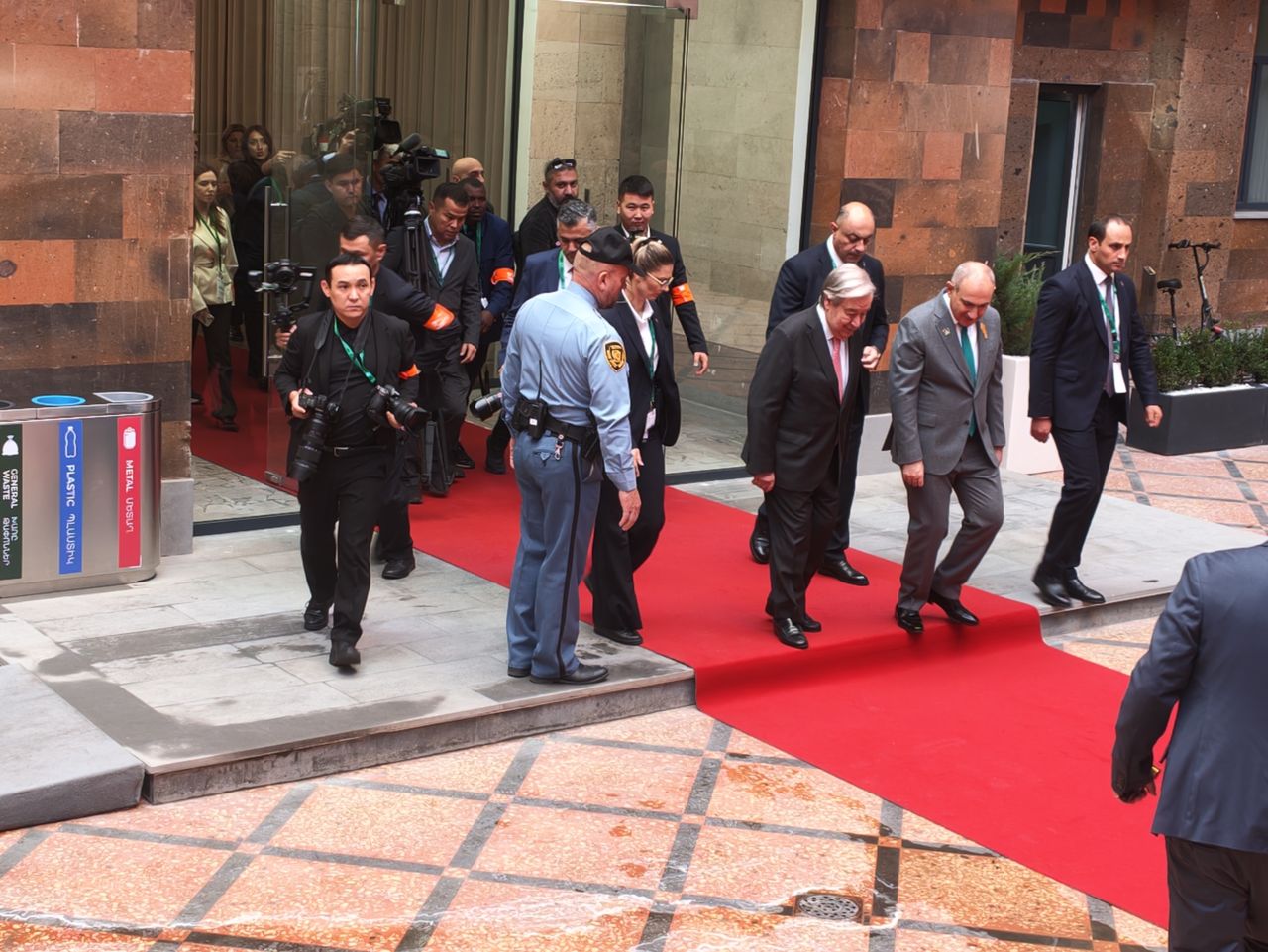
Heads of delegation arrive over the red carpet for the Leaders’ Summit, 16 October. 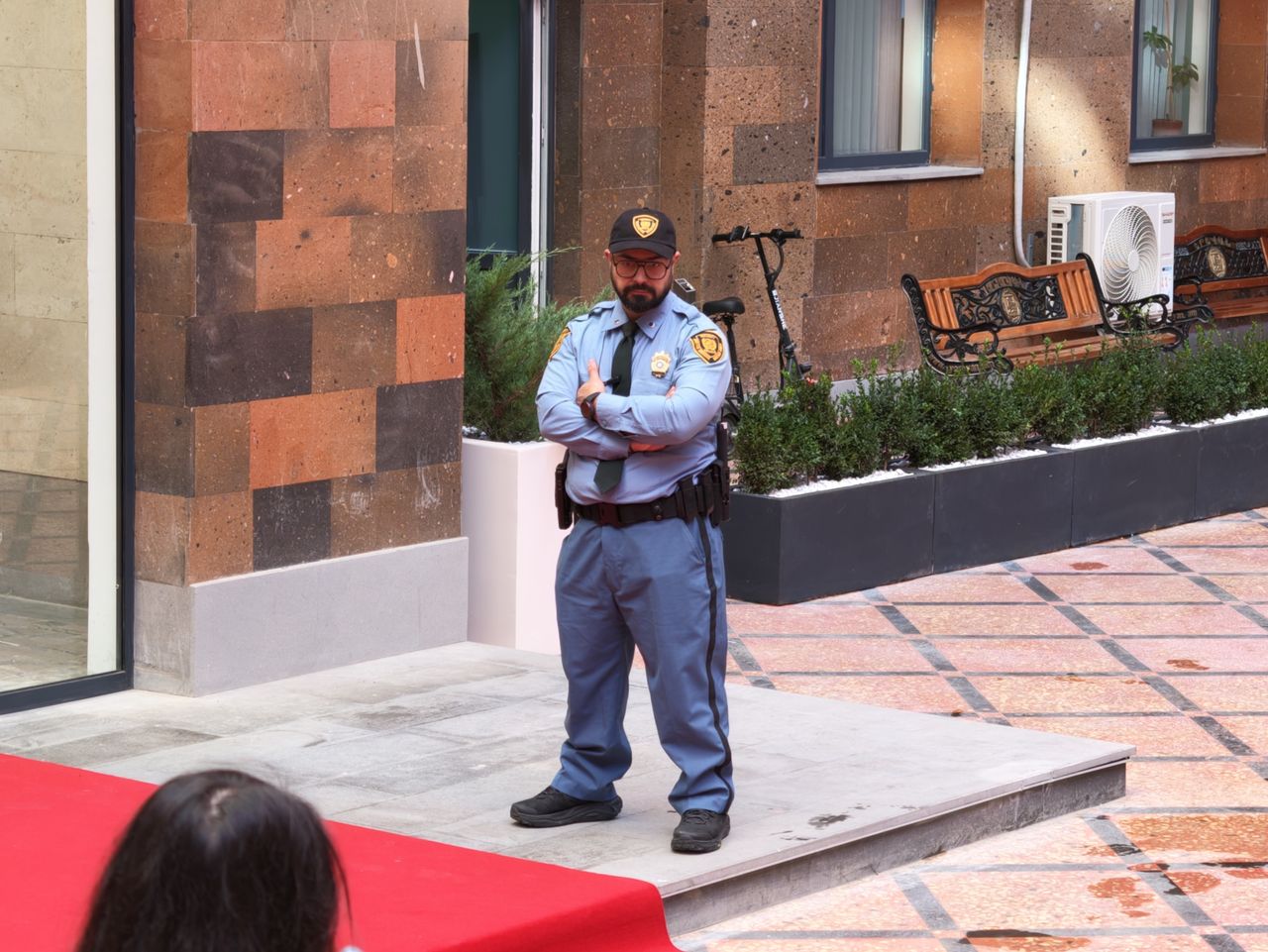
UN security at the Leaders’ Summit, 16 October. 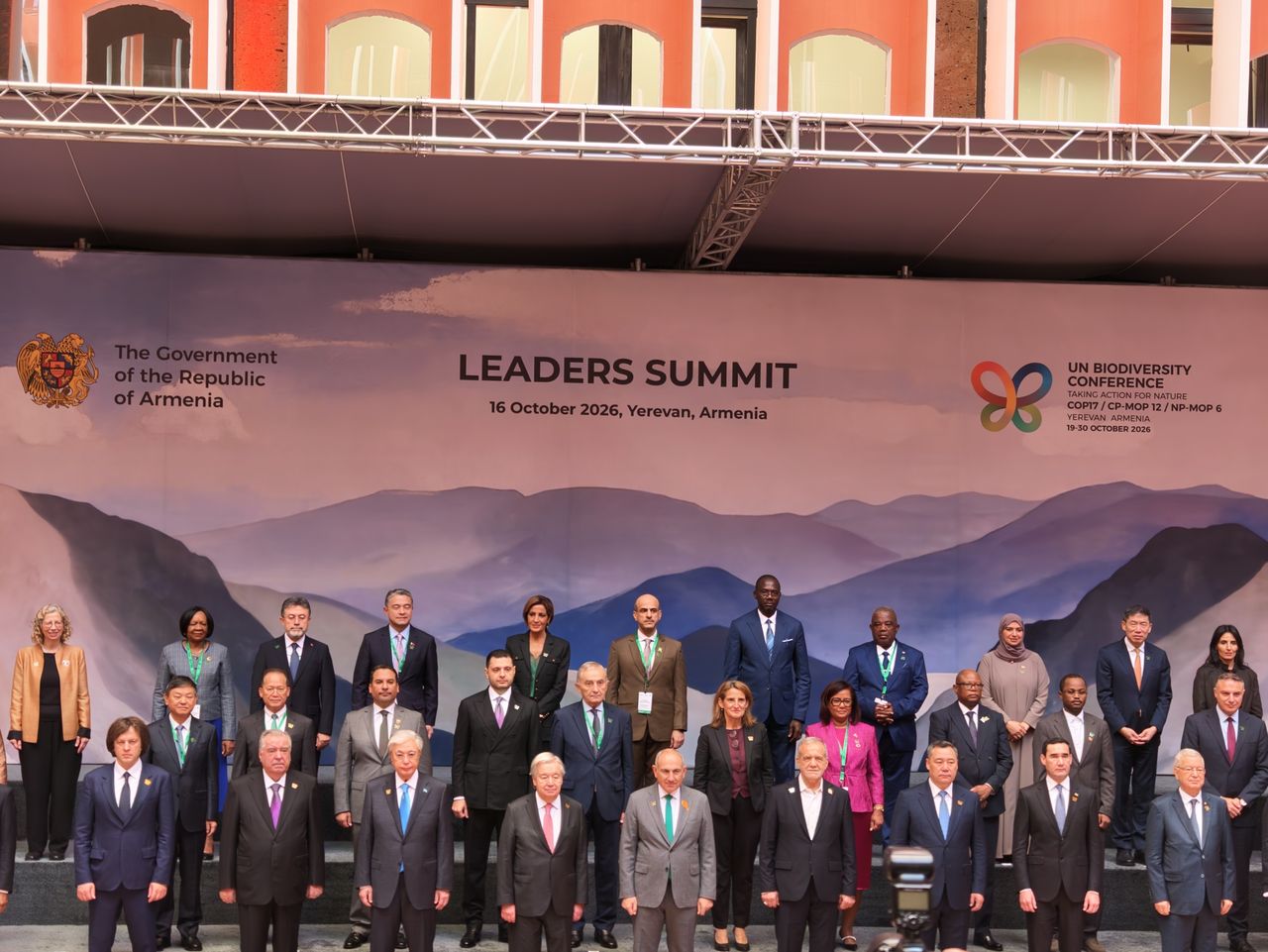
The heads of delegation pose for the family photo of the Leaders’ Summit, 16 October. 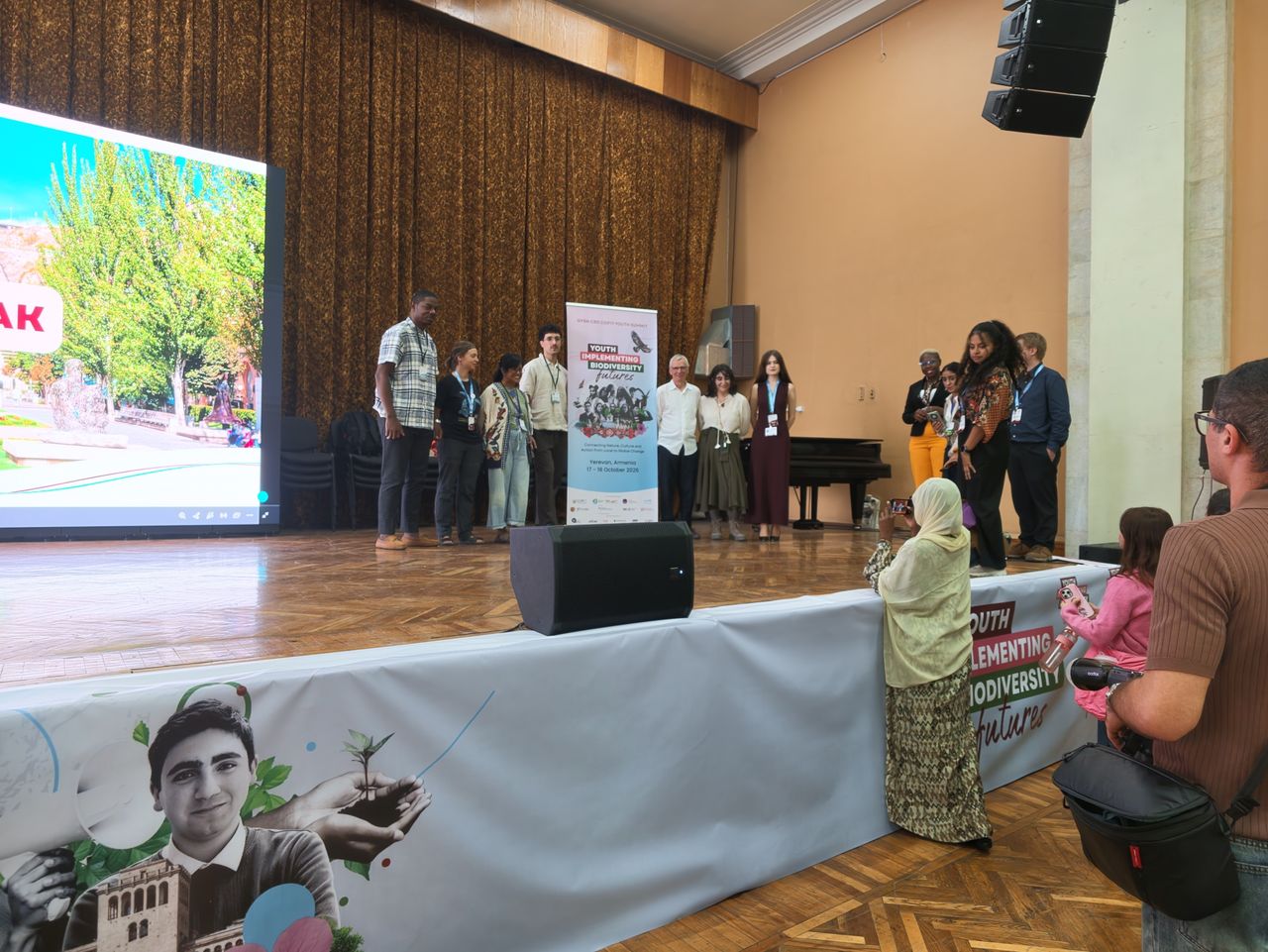
A youth event on 18 October, the day before the negotiations opened. 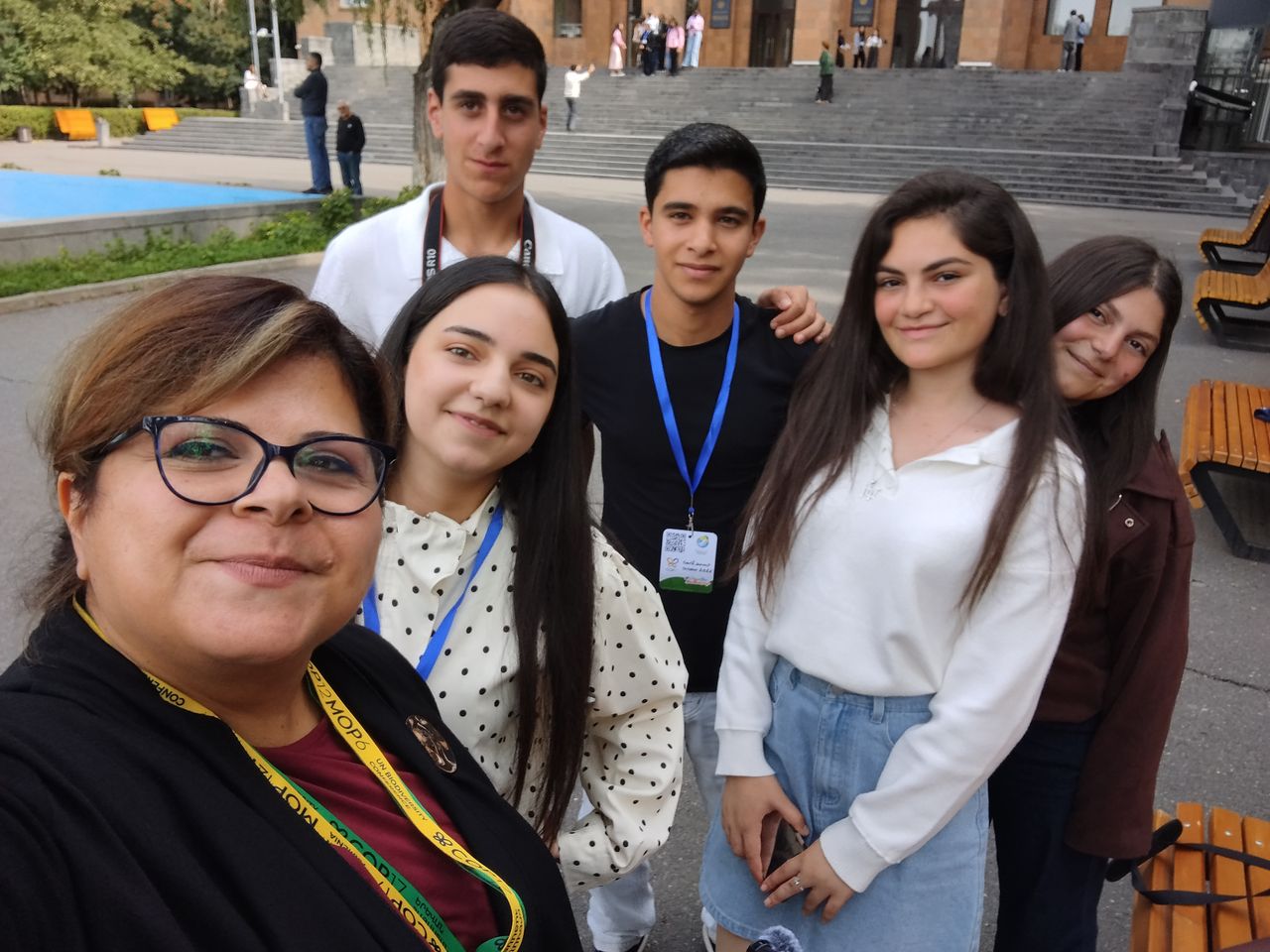
With the new generation. 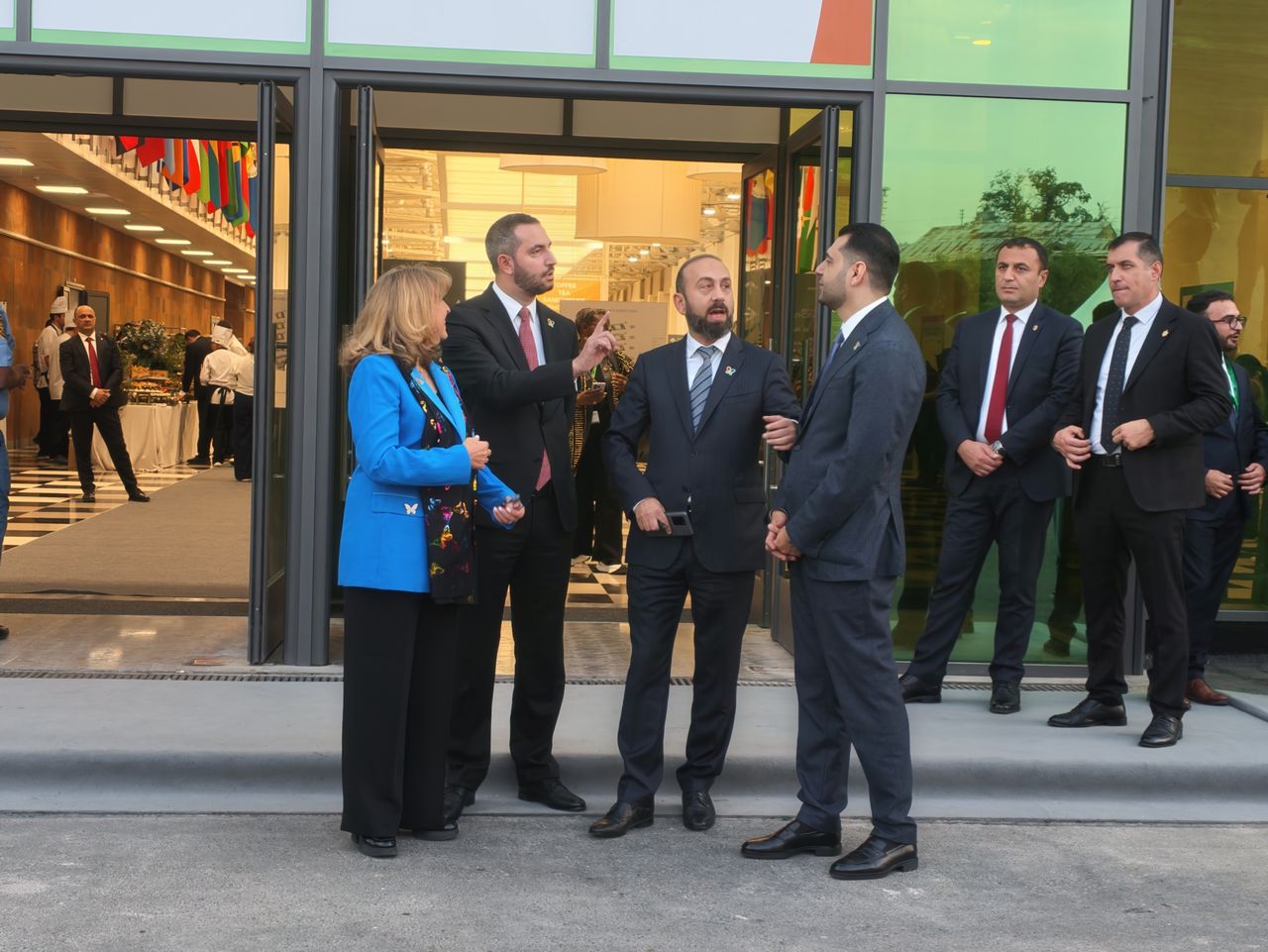
Officials gather at the entrance of the venue on 18 October, the day before the opening. 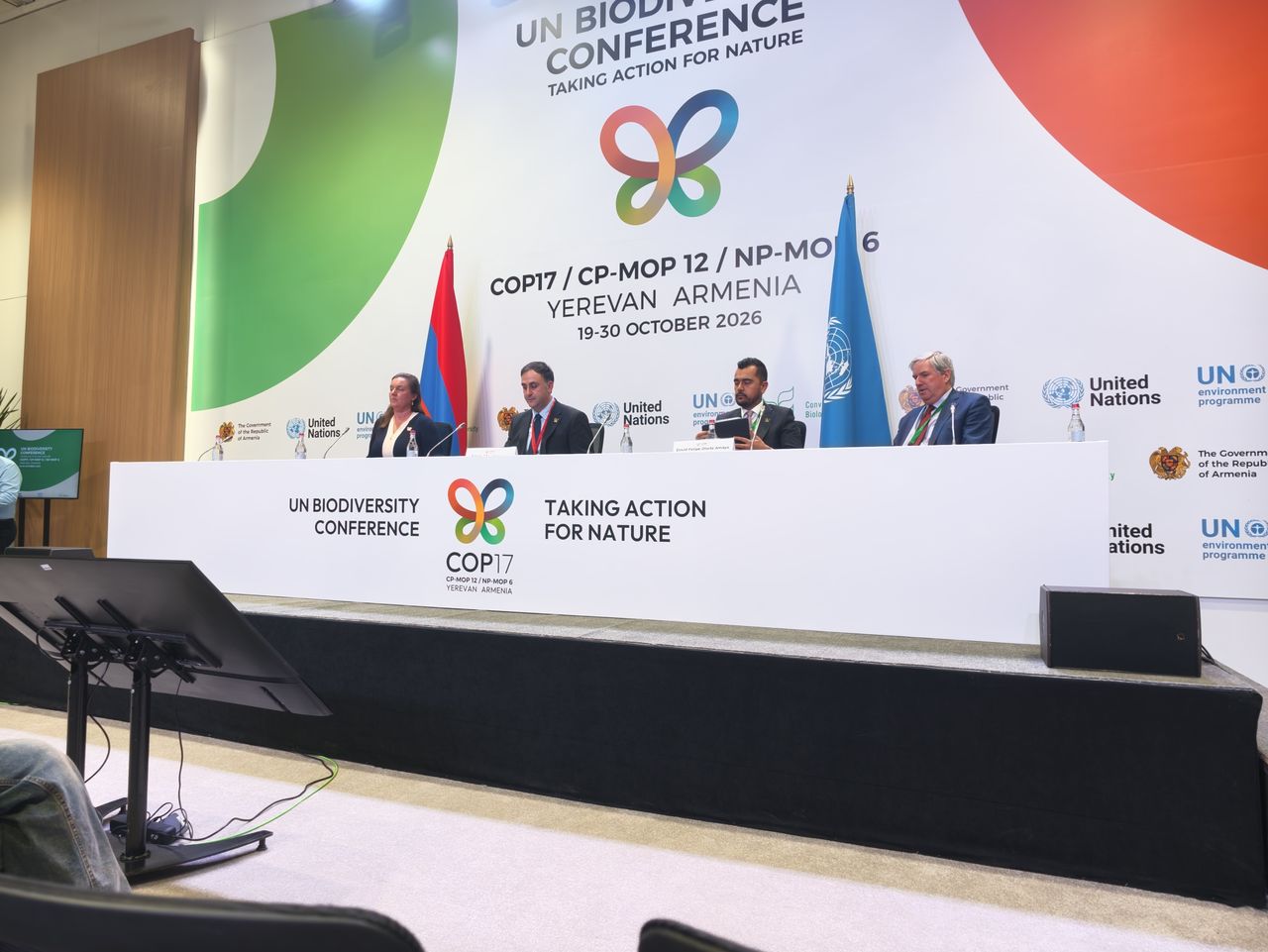
The presidency’s table on the opening day, 19 October. 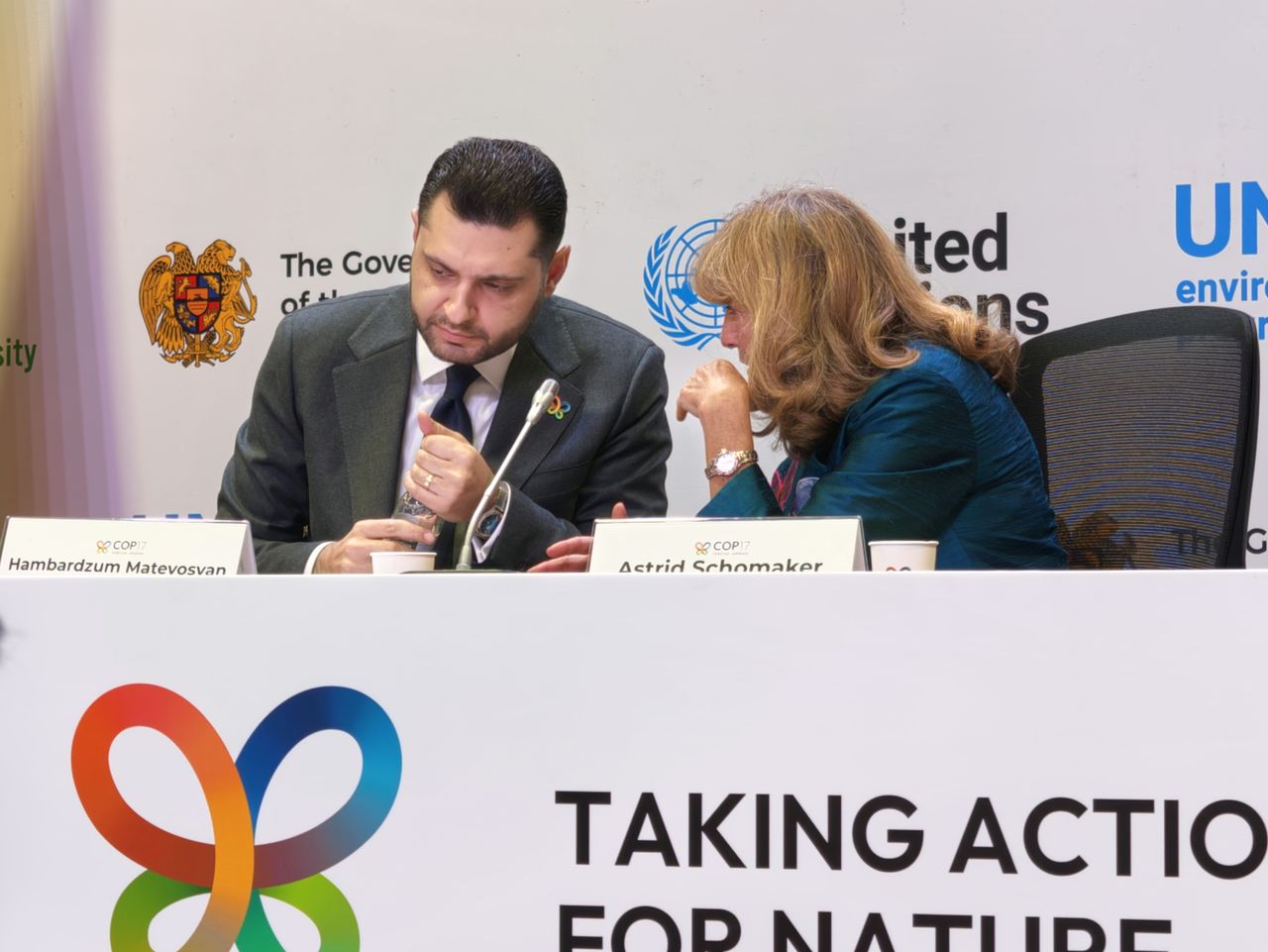
Hambardzum Matevosyan, President of COP17, and Astrid Schomaker, Executive Secretary of the Convention, in conversation at the press table. 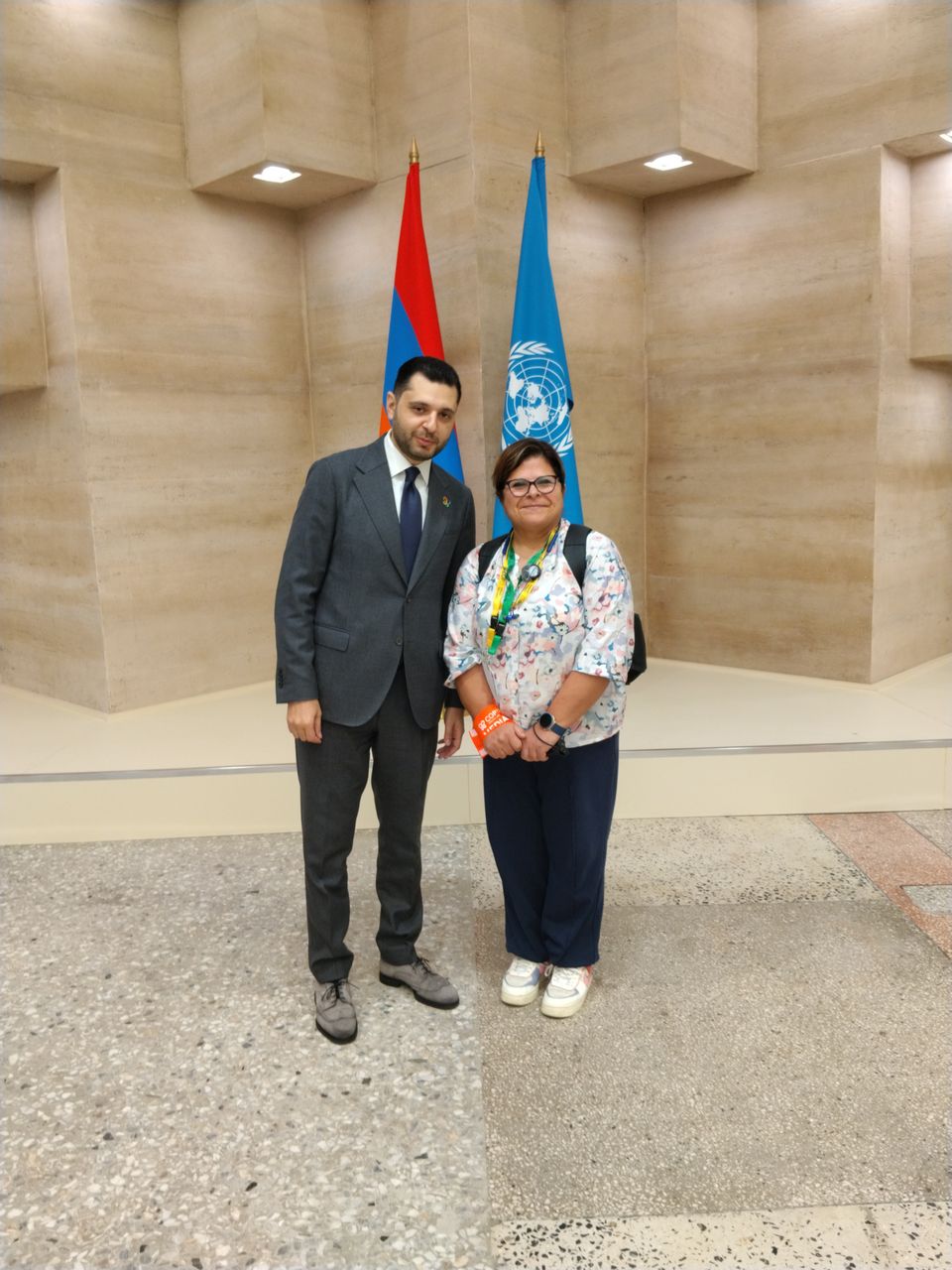
With Hambardzum Matevosyan, Minister of Environment of Armenia and President of COP17. 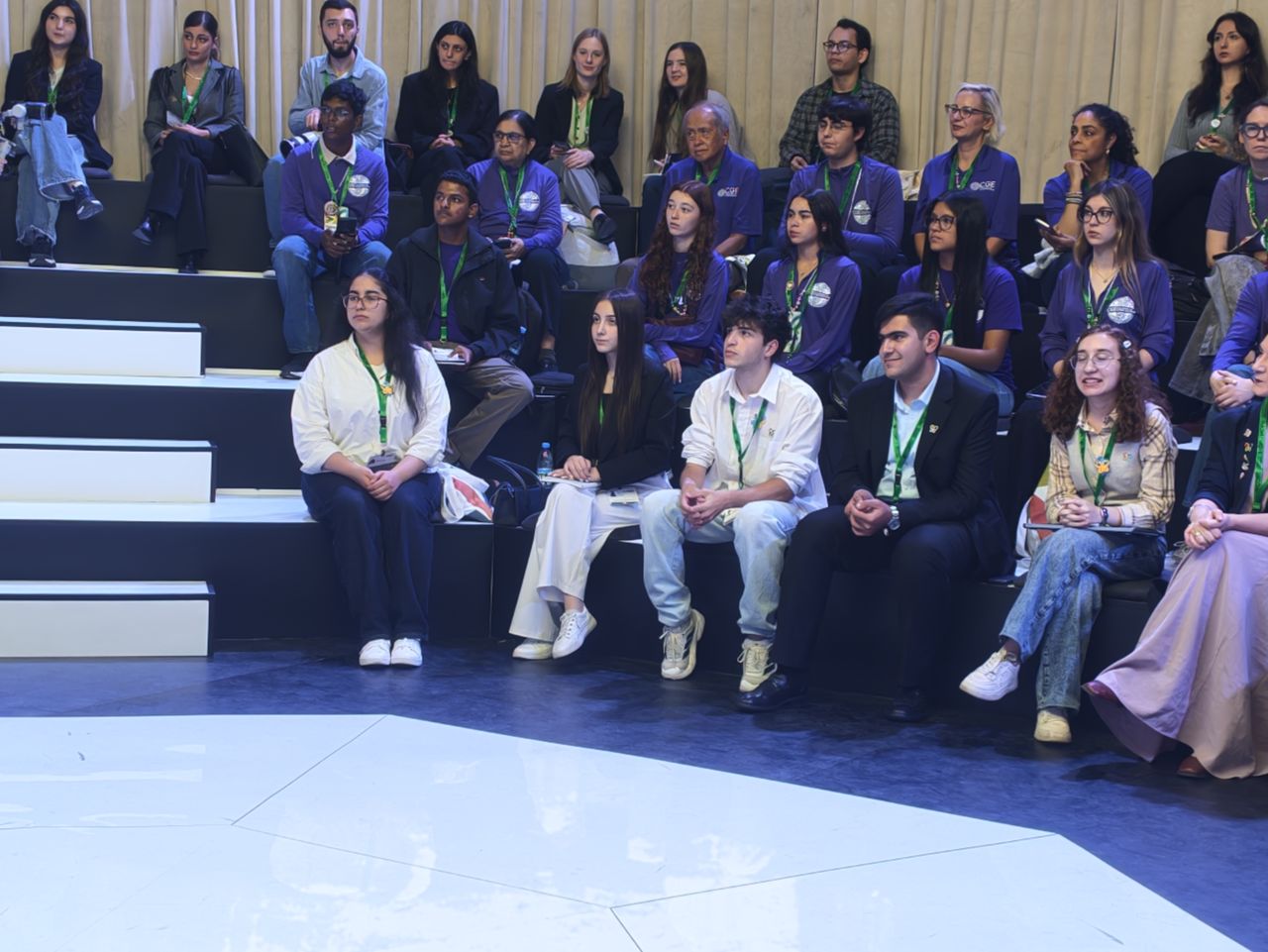
Young people at an event in the Green Zone, 21 October. 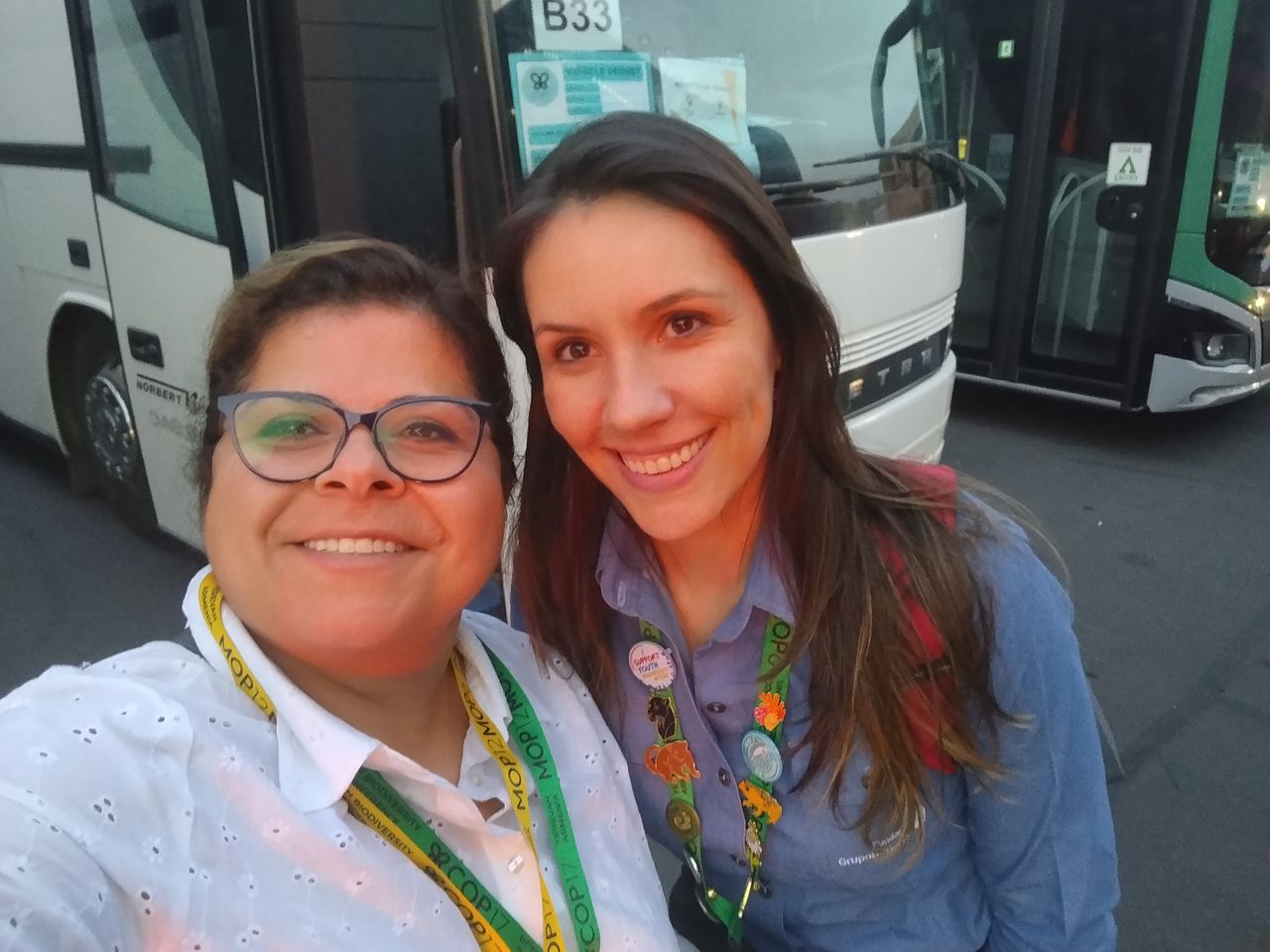
With Thais from Brazil. 
With Feather. 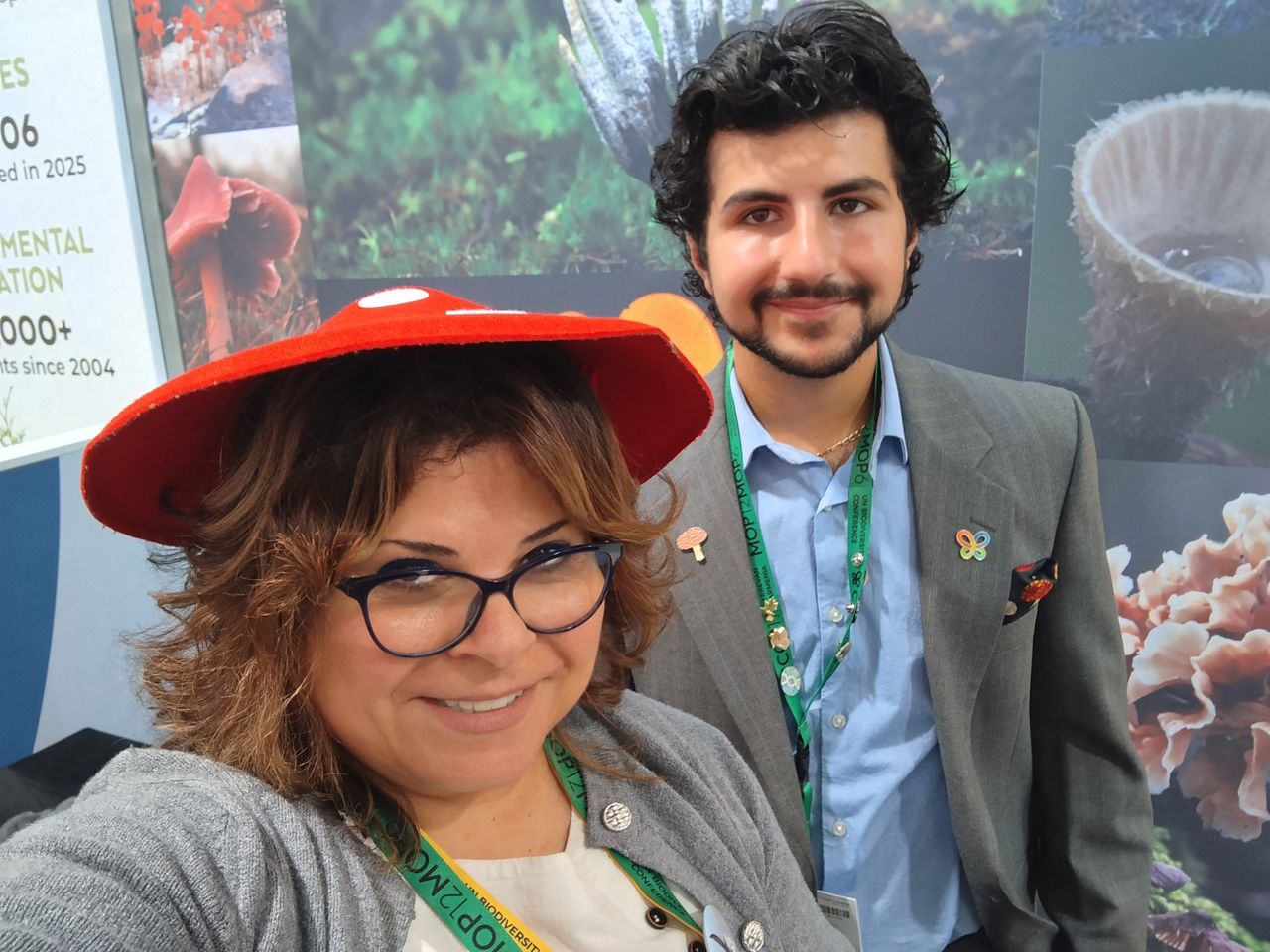
With Alex Ayanyan at a pavilion. 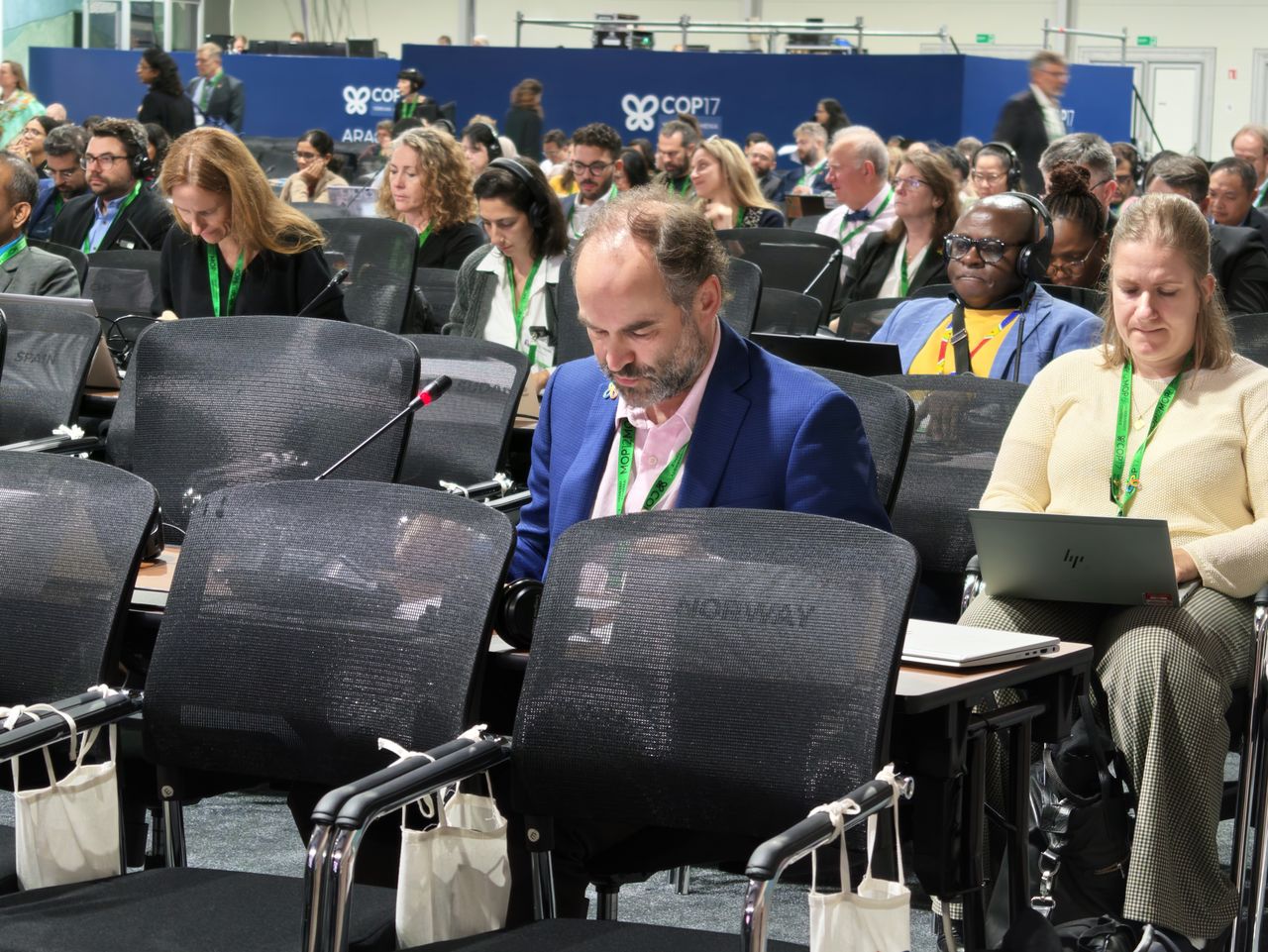
The most patient award goes to Gaute Hanssen of Norway, who chaired Working Group I and took part in the negotiations. 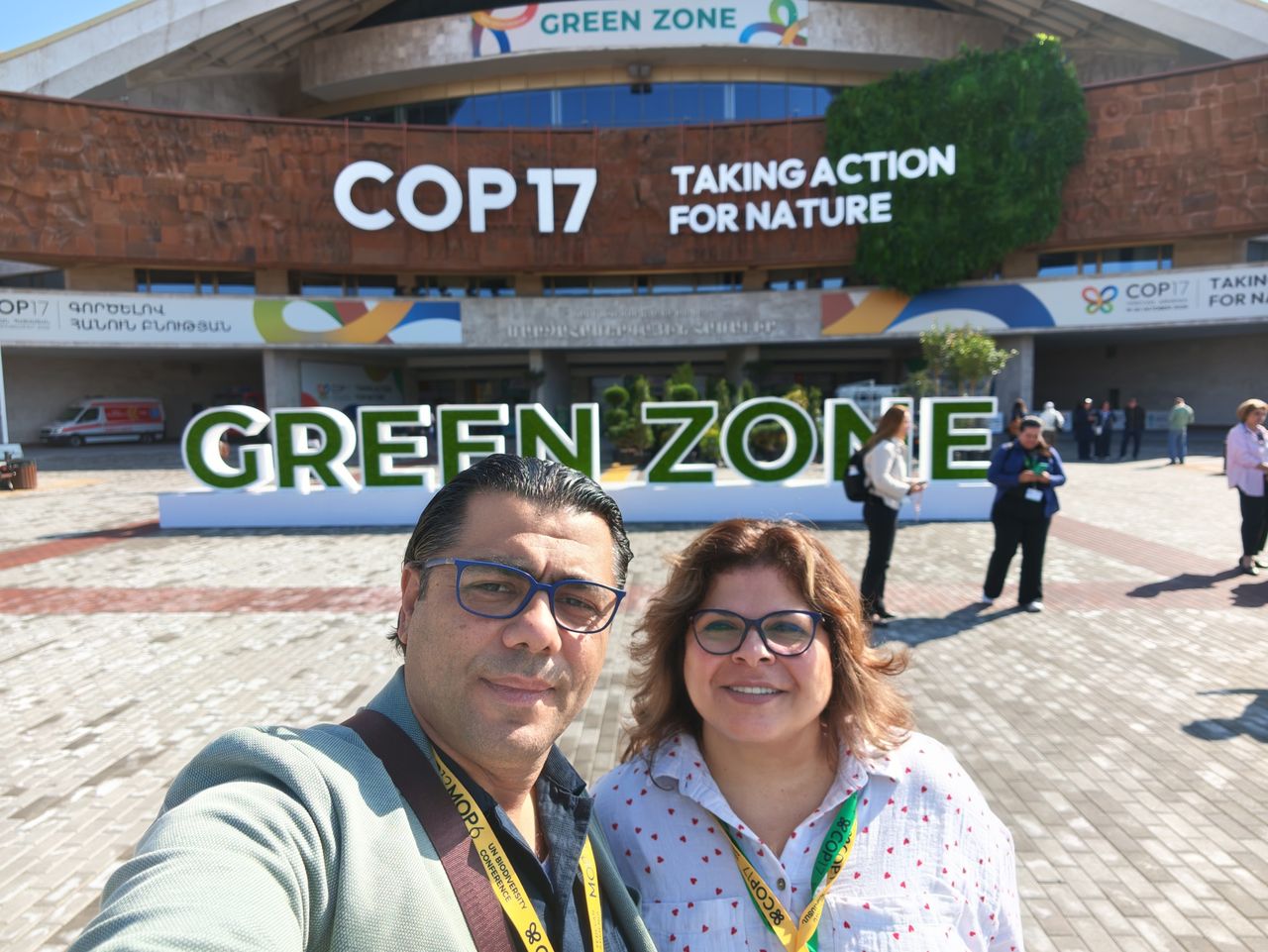
Garo and I at the Green Zone. 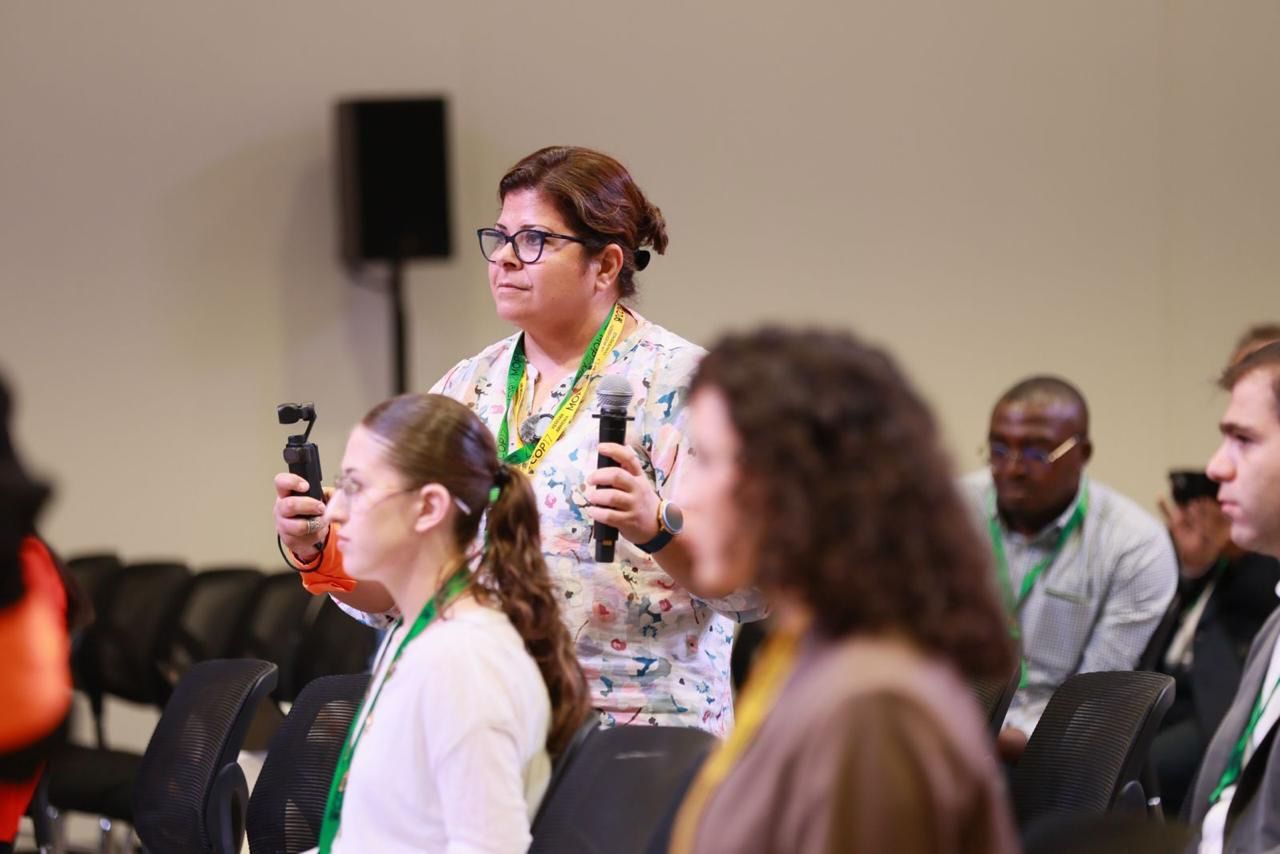
Asking my question. 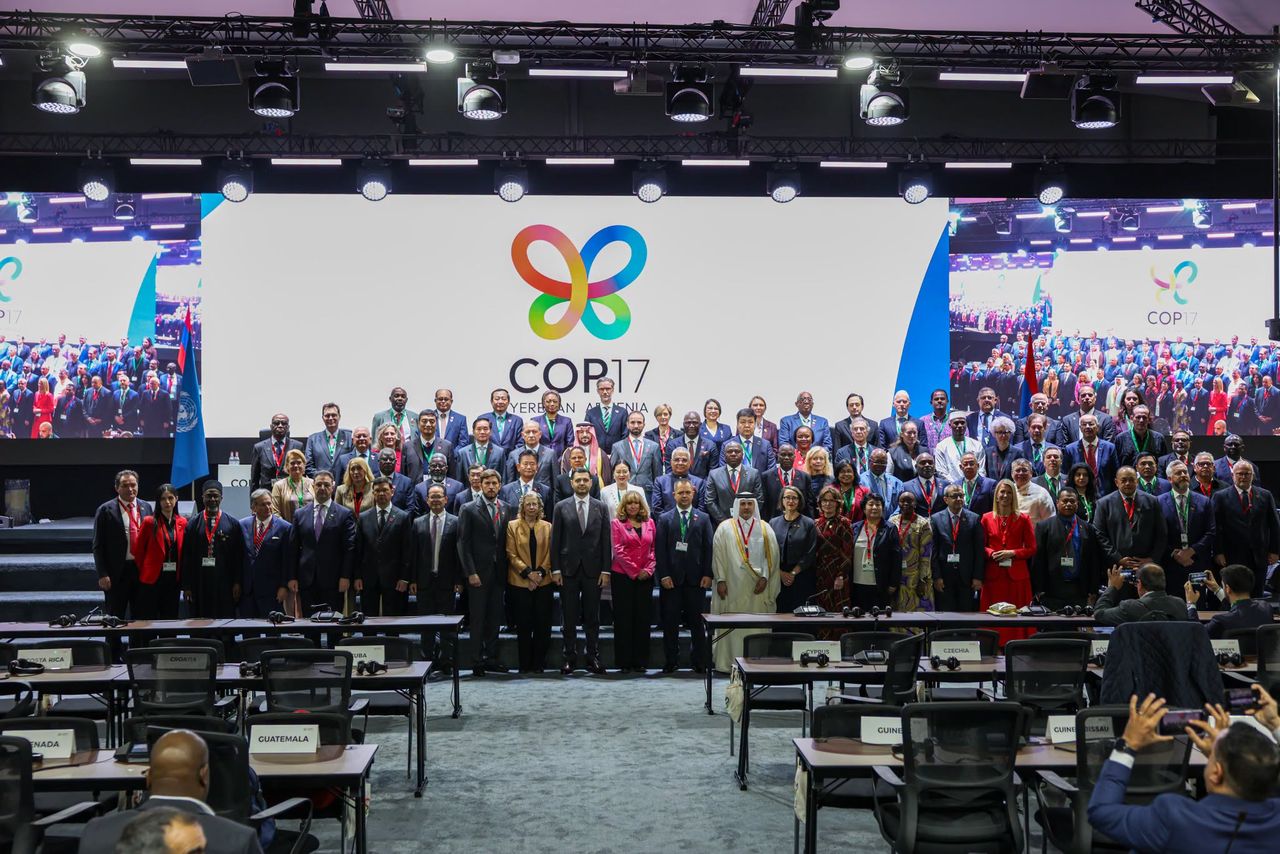
The group photo of the delegates in the plenary hall.
Let us remember
During the conference a Namibian delegate, Professor Martha Kandawa-Schulz, who co-chaired a contact group, died, and a book of condolences was opened at the venue. We feel with her family, with her delegation and with everyone who worked beside her. Behind every text adopted in Yerevan there are people who gave it their days and nights, and some of them gave more than that. The defenders of nature, who often work at a risk, have a short film of their own on the Aypoupen YouTube channel: watch it here.
